
Having a security system is a vital feature for any property, whether it's for your home or business, you're going to need one to promote the safety of your property. But it's not a question of if you need a security system, it's what kind of alarm you need to bring you peace of mind if there's an emergency. But not every security alarm system is the same, so what's the difference?
Understanding Security Alarms
Security alarms are usually pretty simple and work in a few different steps: detection, signalling, monitoring, and dispatch.
- Detection: Something is detected by the system's sensors, which then triggers it (smoke from a fire, a broken window from a break-in, etc.).
- Signalling: Then the alarm signals whatever monitoring system is in place.
- Monitoring: The monitoring system after receiving the signal, will notify emergency services.
- Dispatch: Once notified, emergency services will respond to the situation.
When looking at security alarms, no matter what security company you choose, there are really two main ways to go: you can either have a central station alarm or a local alarm. These two alarm systems both work to alert in emergencies, but really differ in their execution.
The Differences Between Central Station Alarms and Local Alarms
Each alarm system offers protection for your property in their own ways, but the differences between them lie in who they alert and how fast help may arrive.
Central Station Alarms

- Central station alarms have a professionally monitored system. So, once triggered, a signal is sent to a central monitoring station.
- This alarm system is professionally monitored at all times, so that when the signal is sent, it alerts emergency services immediately.
- Central station monitoring is automatic which means a quick response time for help to arrive—being the faster option of the two alarm systems. For example, in the case of a fire, central fire alarms can detect smoke and alert the fire department automatically before a major fire fully engulfs the property.
- Central station alarms can also offer higher insurance discounts, as they reduce the risk of making a claim to insurance companies.
- Central station alarms require fees for the monitoring services.
Local Alarms
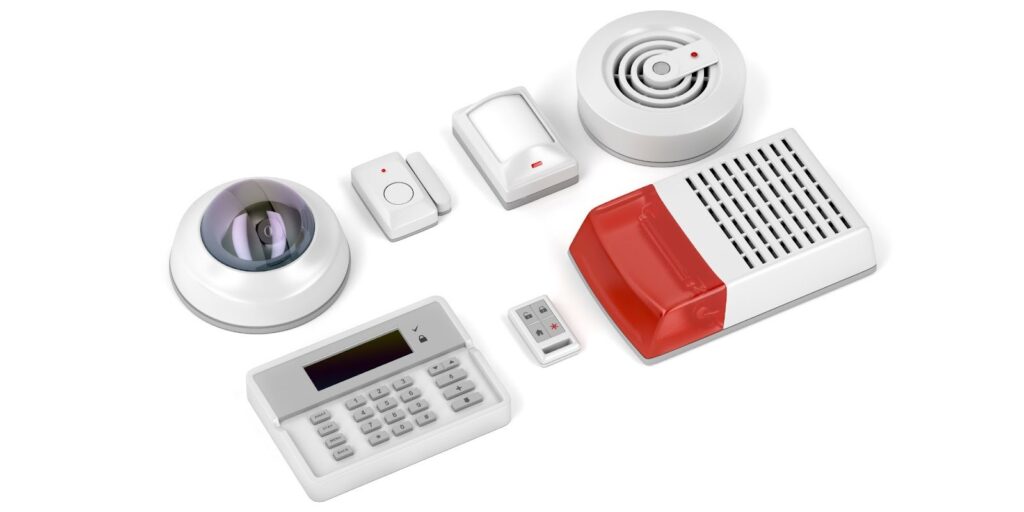
- Instead of being constantly watched by professionals, local alarm systems are unmonitored. Any alarm monitoring services are provided by those in the surrounding area. In other words, it's watched locally.
- A local alarm, once triggered, will send a signal within its own system, and then sound a loud alarm (like a siren) to alert those in the area. If anyone in the area hears the alarm, they can notify emergency services.
- Emergency service response times can be much slower with local alarm systems than with central monitored systems, as they require someone to be nearby to hear the alarm.
- Local alarms can also receive insurance discounts as well, however they are less than what would be received with central station alarms.
- Local alarms are typically more affordable upfront and don't typically contain additional fees, making it the more affordable option.
FAQ
1. What is a central station alarm?
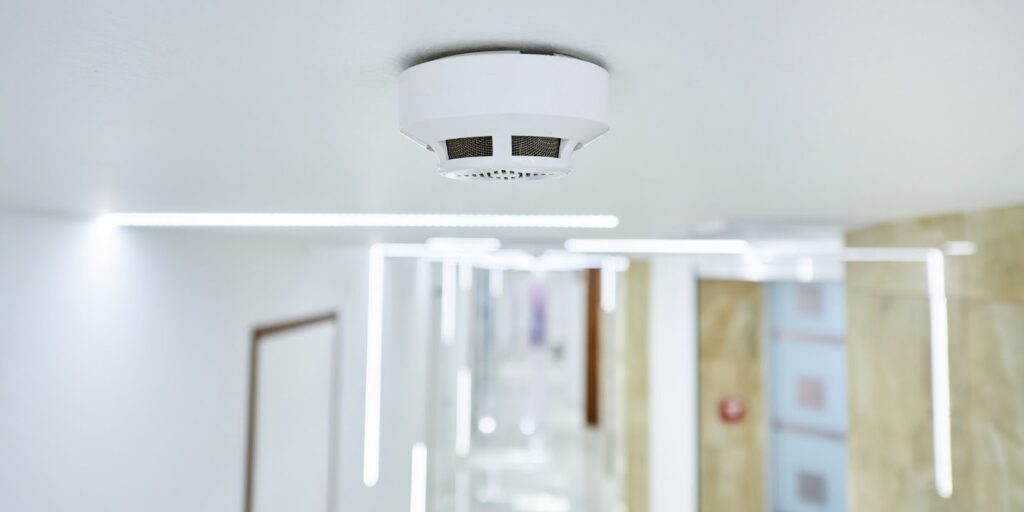
A central station alarm is a type of security system, where once the system is triggered, it automatically signals its central monitoring station, which will then notify emergency services. Central station monitoring can mean faster response times, since they are automatic.
2. What is an example of a central station system?
A good example would be a central fire alarm system. When smoke triggers the sensors in the alarm, a signal is immediately sent to its monitoring system, which will then immediately contact the fire department.
3. What is the difference between a local alarm and a central alarm?
Local alarms and central alarms main difference lie in who they signal and emergency service response times. A local alarm simply sounds a loud alarm to alert anyone nearby, while a central alarm automatically signals its monitoring system. Central alarms are usually the faster of the two.
4. How much does a central alarm system cost?
Although it can range depending on what security company you choose and how complex the system is, central alarm systems can cost anywhere from $500 to $2000 or more for installation, with monthly fees typically ranging from $25 to $75 in monthly fees, depending on features and backup methods included.
Conclusion
Overall, both central station alarms and local alarms are good security systems to protect your property, and both of which need to be professionally installed to ensure their functionality. However, local alarms are unmonitored and mainly sound an alert to those in the area to hear. Meanwhile central station alarms are professionally monitored and send automatic alerts. While local alarms are generally less expensive, a central station alarm is the recommended option to ensure quickest response time, especially when no one is at the property.


.jpg)