
The NDAA has caused businesses to have to be more cautious about their security camera choices, and it seems to take a lot more effort to be safe and secure than it used to. In order to keep a safe and private environment, rules and outlines have to be complied with. But what is it that we have to comply with? And does everybody have to comply?
What is the NDAA?
The National Defense Authorization Act (NDAA) is a law passed annually in the U.S. Congress to set policy and funding levels for the Department of Defense. But what does this have to do with security cameras?
Section 889
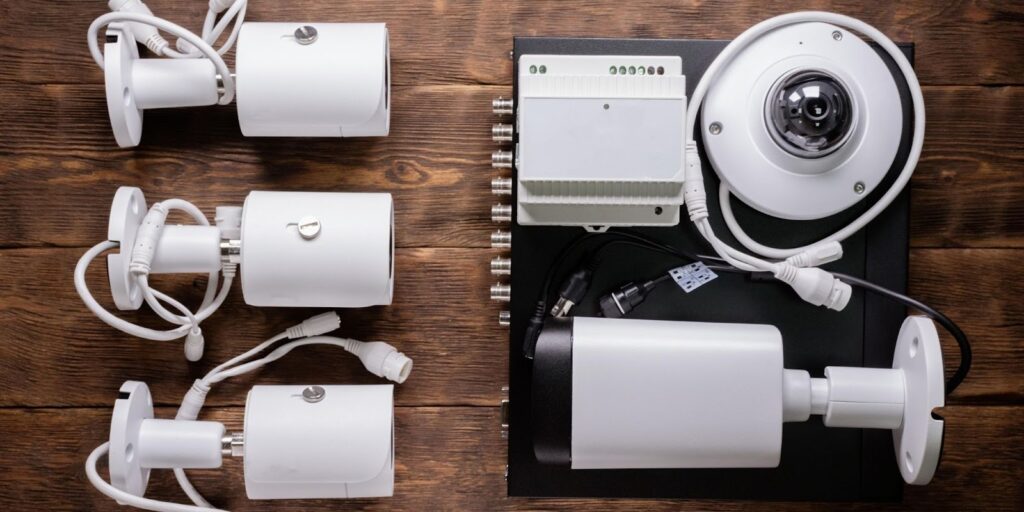
Really, only one NDAA section applies to security cameras – section 889. NDAA Section 889 essentially prohibits the United States government from using security surveillance from companies that use prohibited foreign suppliers (primarily restricting camera chips and sensors from China).
It's important to note that NDAA compliance is only required for U.S. federal agencies, along with recipients of federal funding, and those with contracts with the federal government. These organizations have to comply in order to prevent national security risks, and possible espionage from foreign-made surveillance. But even for businesses not working with the government, compliance can enhance security and prepare for any possible government contracts in the future.
What is NDAA Compliance?
Complying with the NDAA means getting compliant security cameras. But what do these cameras look like? NDAA compliant cameras are cameras that have been made without any components from companies on the United States government prohibited list. This prohibited list includes companies like Huawei, ZTE, Hytera, Hikvision, and Dahua, as well as others.
But just as there is an NDAA prohibited list, there is also an NDAA compliant list—or really, compliant companies. These compliant companies include Axis, ACTi, Bosch, Avigilon, and many others. It's still important to check whether the company you intend to get your cameras from are properly complying with the NDAA.
Who Has to Comply?
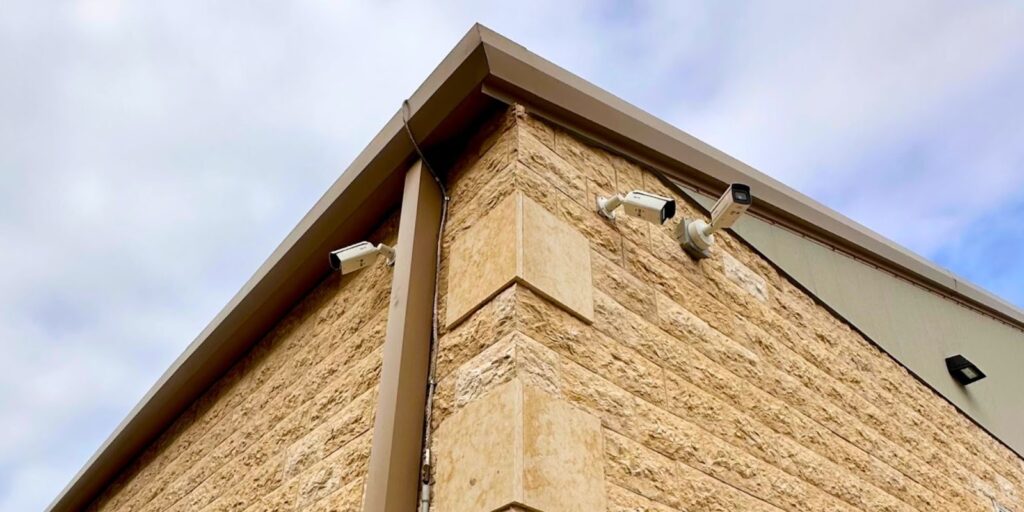
Technically speaking, not everyone is legally required to comply with the NDAA. For federal agencies, those with contracts or funding from the federal government, it is a legal requirement. For them, failing to comply can result in contract termination, financial penalties, damages to their own reputation, loss of funding and even facing legal liability.
For those who don't have any ties to the federal government, NDAA compliance isn't necessarily a legal requirement. However, it's still strongly encouraged in order to promote security and to have any future involvement with government contracts or federal funding.
Why Comply?
So even if you aren't legally required to comply, why would you want to get compliant security cameras? All non-government businesses are strongly recommended to comply with the NDAA. This is for a multitude of reasons:
- Complying can keep you eligible for future government contracts or funding.
- It can promote national security and reduce major security risks—which in turn, reduces your security risks.
- And it can boost your reputation with government agencies.
Even if not required, businesses can lose government opportunities along with losing protection from legal liability and fines.
So essentially, if you want to ensure your own security, use NDAA compliant security.
FAQ
1. What is an NDAA compliant camera?
NDAA compliant cameras are security surveillance devices that don't use hardware or services from prohibited manufacturers as outlined by section 889. To ensure a camera's compliance, look into the manufacturers and ensure their compliance with the NDAA.
2. Are Arlo cameras NDAA compliant?
Arlo cameras are not necessarily declared prohibited. However, Arlo does not have any certifications or any U.S. government contracts, so there is no guarantee that they are compliant or not.
3. Are Swann cameras NDAA compliant?
Swann cameras are compliant with the NDAA. Swann has stated that its products and components are NDAA compliant.
4. Is wyze NDAA compliant?
Wyze cameras are compliant with the NDAA. Wyze has stated that its products are NDAA compliant, and does not use any banned components.
5. Are LTS cameras NDAA compliant?
LTS defines certain lines of cameras that are compliant with the NDAA Section 889
6. What is required to be NDAA compliant?
In order to be compliant with the NDAA, a business must avoid video surveillance and telecommunication equipment from certain banned companies
Conclusion
NDAA compliance can come with a lot of red tape, but compliance is an important step to ensure your business' security. Complying with the NDAA (whether you're legally required or not) can ensure national security, promote the security of your business, and help avoid legal liability and major penalties. To really be safe, make sure the video surveillance you choose is properly compliant with all of the NDAA's requirements. If you want to make sure you're secure, Contact Us to schedule a review with one of our Security Consultants.

.jpg)